Dhaka is an incredible metropolis defined by intense human energy, rapid growth, and raw manual labor. Among its most visually dramatic environments are its traditional shipyards along the Buriganga River and the expansive red-brick kilns along its outskirts.
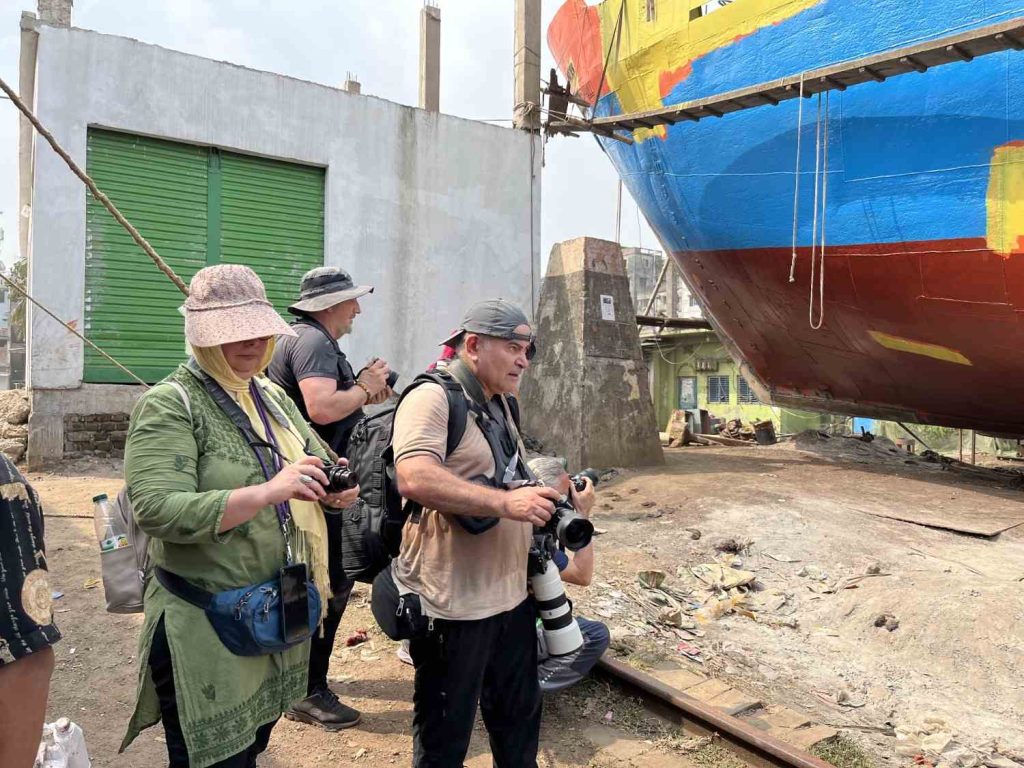
For documentary, industrial, and human-interest photographers, these working environments offer an unmatched canvas. From towering steel ship hulls and glowing welding sparks to geometric stacks of handmade red bricks rising through dusty morning mist, the visual storytelling possibilities are extraordinary.
Here is your comprehensive field guide to photographing Dhaka’s shipyards and brickfields safely, ethically, and impactfully.
1. The Shipyards of Keraniganj & Old Dhaka
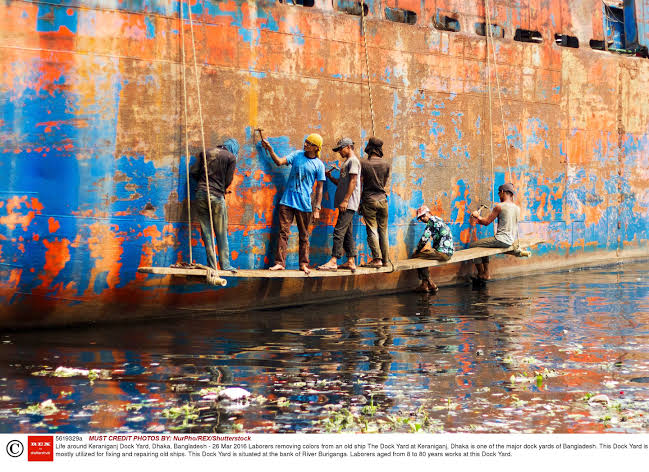
Along the banks of the Buriganga River, traditional dockyards build, repair, and maintain massive steel cargo vessels, launches, and wooden boats using heavy manual labor and traditional engineering.
Visual Highlights & Themes:
- Human Scale vs. Industrial Giants: Photograph individual workers against massive steel hulls, propellers, and towering crane structures to emphasize human effort.
- Light & Shadow (Chiaroscuro): Capture welder sparks, torch flame reflections, and dark workshop interiors contrasting with outdoor river sunlight.
- Textures & Patterns: Focus on rusted metal surfaces, peeling paint, industrial machinery, and intricate wooden boat structures.
Best Shooting Hours:
- Late Afternoon (3:30 PM – 5:30 PM): The low-angled sun creates dramatic backlighting along the riverbank, turning smoke, dust, and welding sparks into glowing visual elements.
2. The Brickfields of Dhaka (Brick Kilns)
Operating primarily during the dry winter season (November to April), traditional brickfields surround the Dhaka region. Millions of clay bricks are molded by hand, dried in vast open courtyards, and baked in tall chimney kilns.
Visual Highlights & Themes:
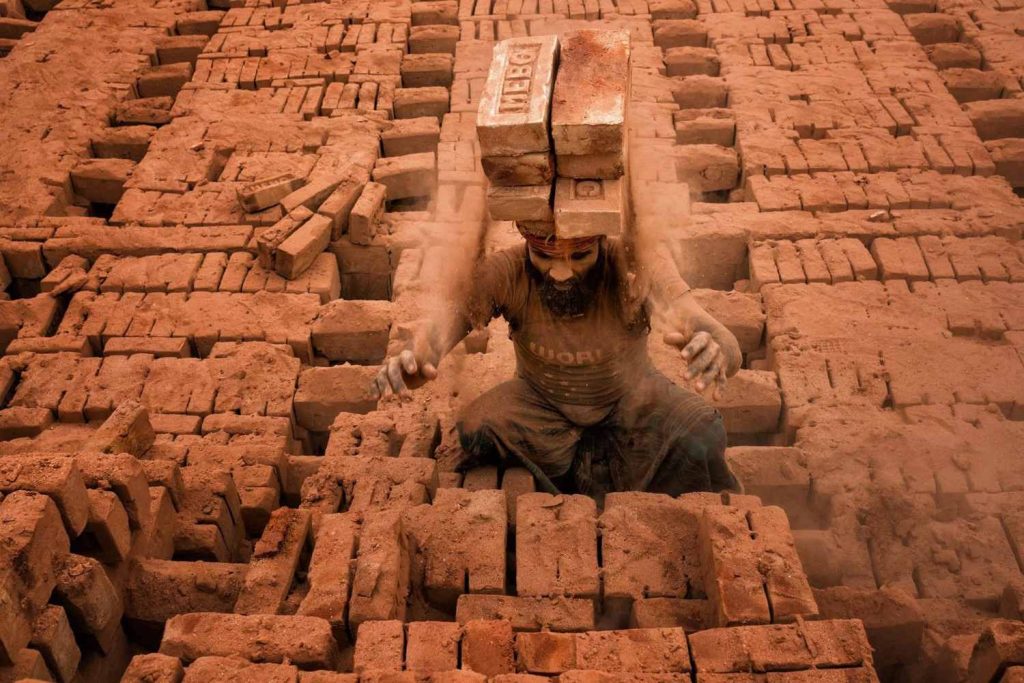
- Monochromatic Red Patterns: Endless geometric rows of sun-drying raw bricks stretching across open riverbeds, providing strong leading lines and abstract compositions.
- Physical Effort & Movement: Document workers balancing heavy stacks of red bricks on their heads, navigating narrow walkways with incredible grace.
- Atmospheric Smokestacks: High chimneys releasing soft smoke clouds into hazy morning skies create moody, cinematic landscapes.
Best Shooting Hours:
- Early Morning (6:30 AM – 9:00 AM): Soft golden sunlight cuts through morning haze and kiln smoke, producing layered atmospheric photographs.
3. Recommended Camera Setup & Settings
Industrial photography requires fast response times, strong low-light capability, and reliable equipment:
- Lenses: A 24-70mm f/2.8 handles most situations seamlessly, allowing rapid transitions between wide environmental landscapes and medium portraits. A 35mm or 50mm f/1.4 prime is ideal for low-light workshop interiors.
- Shutter Speed: Use 1/250s or higher to freeze moving workers carrying heavy loads. Drop to 1/30s if you wish to introduce subtle motion blur to convey physical labor.
- Aperture: Shoot between f/4 and f/8 for environmental portraits to keep both the worker and their industrial surroundings sharply in focus.
4. Protecting Gear in Harsh Environments
Both environments present challenging conditions for photographic equipment:
- Dust & Particle Protection: Brickfields are filled with fine clay dust, while shipyards have airborne metal shavings. Keep a camera rain cover or dry bag over your setup when moving between spots.
- Avoid Frequent Lens Changes: Change lenses inside a enclosed vehicle or bag to prevent dust from settling on your camera sensor.
- Cleaning Maintenance: Carry a squeeze blower, lens pens, and plenty of microfiber cloths to wipe down glass surfaces frequently.
5. Safety Practices & Ethical Engagement
Safety and respect must remain top priorities when working inside active industrial zones:
- Watch Your Step: Shipyards and brickfields contain heavy machinery, wet mud, sharp metal scrap, and high platforms. Wear sturdy, closed-toe boots.
- Obtain Local Access & Permissions: Active shipyards require permission from dockyard managers. Always enter with an experienced local guide or fixer.
- Treat Workers with Dignity: Engage warmly, smile, and ask before taking close-up portraits. Never disrupt ongoing dangerous tasks like heavy lifting or welding.
Experience Industrial Dhaka with Photo Tour Bangla

Navigating active industrial sites, arranging permissions, and securing safe shooting positions requires expert local field coordination.
At Photo Tour Bangla, our specialized expeditions provide private access, expert fixers, and full safety guidance. Explore our 12-Day Bangladesh Photo Expedition or book a customized Private Photo Tour today!